It Depends on Which Santorini You Want to Meet
If you search for the best time of year to visit Santorini, you will usually find a fairly simple answer: May and June, or September and October.
There is some sense in that advice. But after living through the seasons here year after year, I find it difficult to name one “best” time.
Santorini changes considerably between March and November. The light changes, the landscape changes, the sea warms, the island fills and empties again, and different things begin to flower, ripen or happen around us.
September is certainly not simply May with the calendar reversed.
So perhaps the more useful question is not When is Santorini at its best?
It is: Which Santorini would you like to meet?
March — When Nature Wakes Up
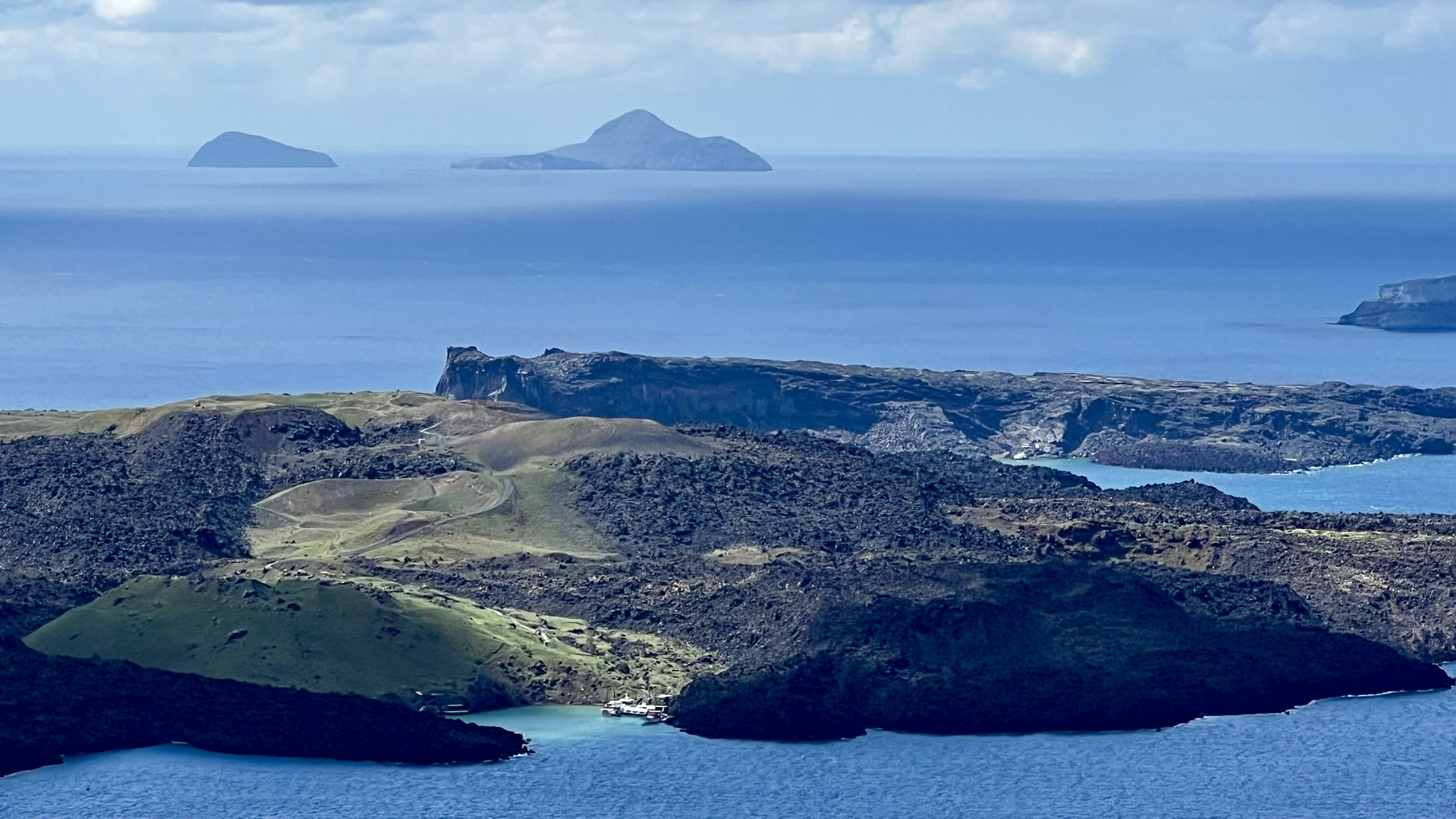
By March, preparations for the coming season are already well underway. In fact, much of that work begins in February, when painting, repairing and renovating starts again across the island.
What begins to wake up in March is nature.
The landscape becomes greener, wildflowers appear and Santorini can look surprisingly different from the dry, golden island most people know from summer photographs.
March also brings 25 March, Greek Independence Day, celebrated in the villages as it is throughout Greece. For a visitor, it is a chance to see something of ordinary island life — flags, church services, schoolchildren and local families — before the summer season takes over.
April — Spring, Easter and a Little Uncertainty
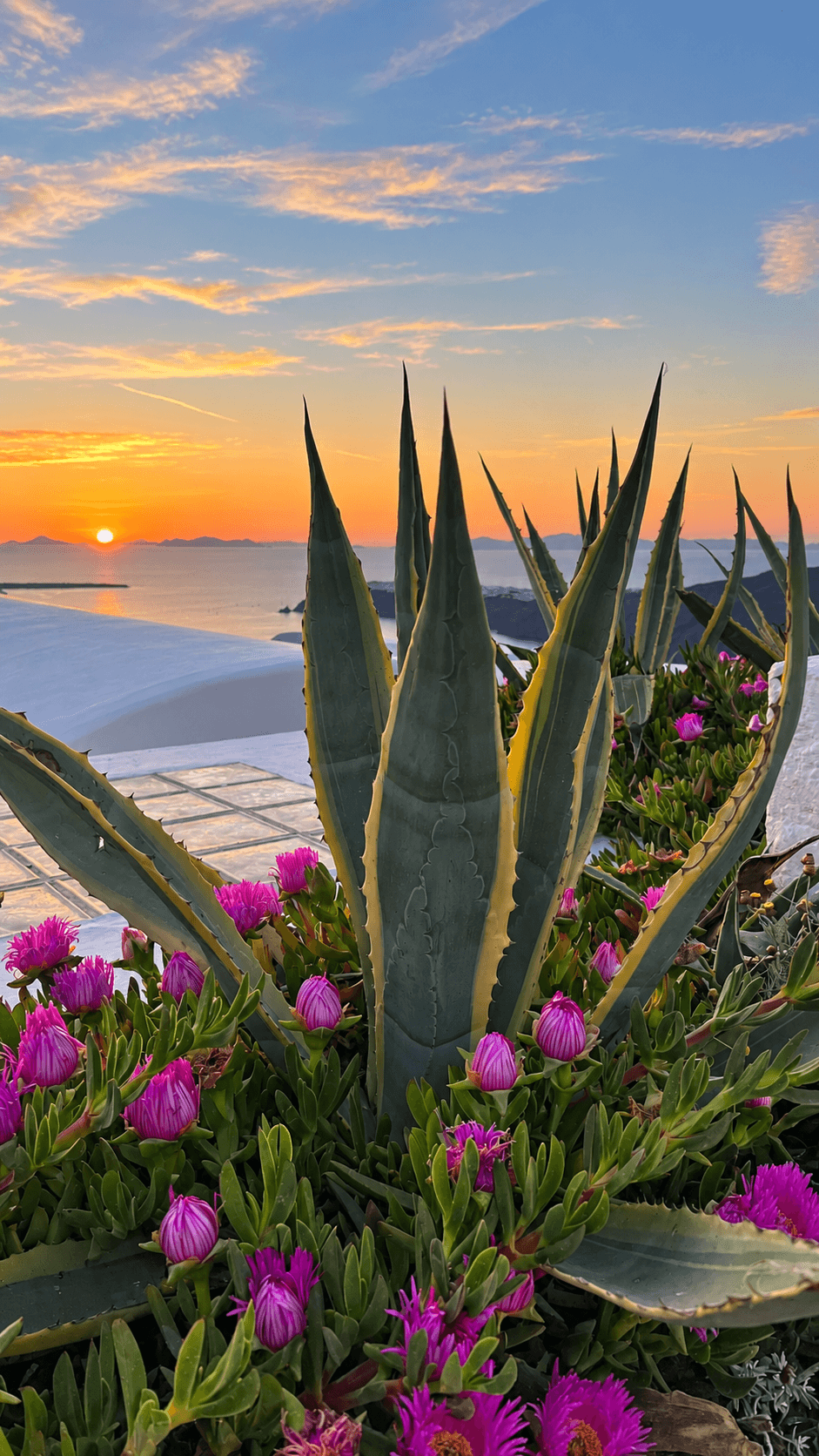
April is properly spring. The countryside can still be green, wild violets flower among the rocks and the island is gradually preparing to welcome the new season.
It is also a month that deserves a little honesty.
There can be glorious sunny days, but there can also be rain, wind and sudden changes in weather. If you come to explore villages, walk, visit archaeological sites and enjoy the landscape, that may not matter very much. If you arrive expecting a guaranteed beach holiday, April cannot promise you one.
Greek Orthodox Easter often falls in April, although not always. If your visit coincides with it, you will see a very different side of Santorini. One of the island’s most remarkable traditions takes place in Pyrgos on Good Friday, when thousands of small fires illuminate the village during the evening procession.
May — When Spring Begins to Feel Like Summer
May can be beautiful.
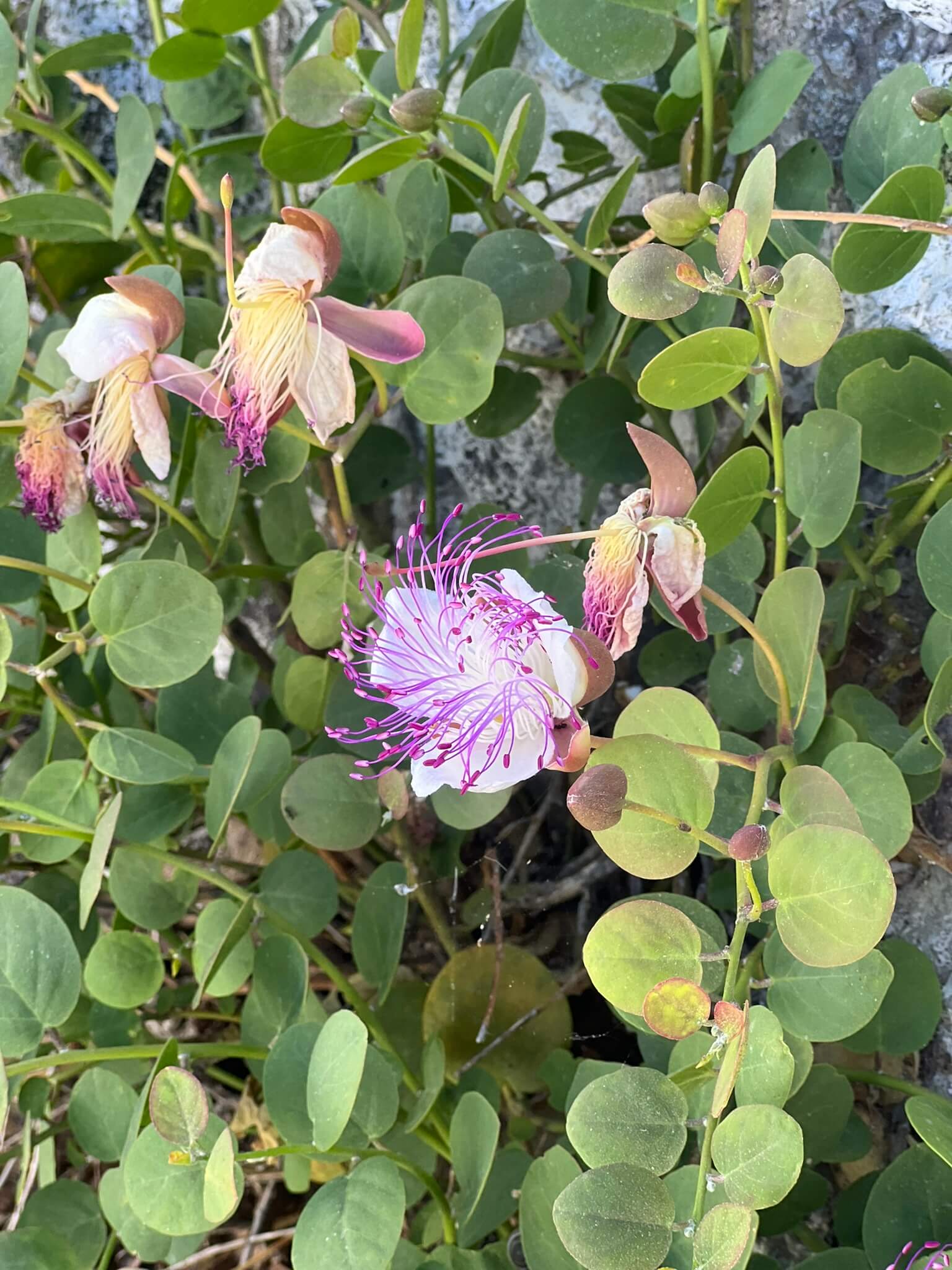
The days are longer and warmer, the island is fully open again, and spring has not quite surrendered the landscape to summer. Wild violets can still be found, while caper plants begin flowering along roads, on rocks and between old stone walls.
It is one of my favourite small details of this time of year. Most people know capers as something they find in a Greek salad. The plant itself, growing wild from the volcanic landscape with its delicate white and purple flowers, is much more beautiful than its eventual destination might suggest.
But May, like April, deserves some honesty. There can be wonderful days that feel entirely like summer and others that remind you that summer has not quite arrived. The sea is still cooler, and the weather is less predictable than it will become later in the season.
June — The Longest Days
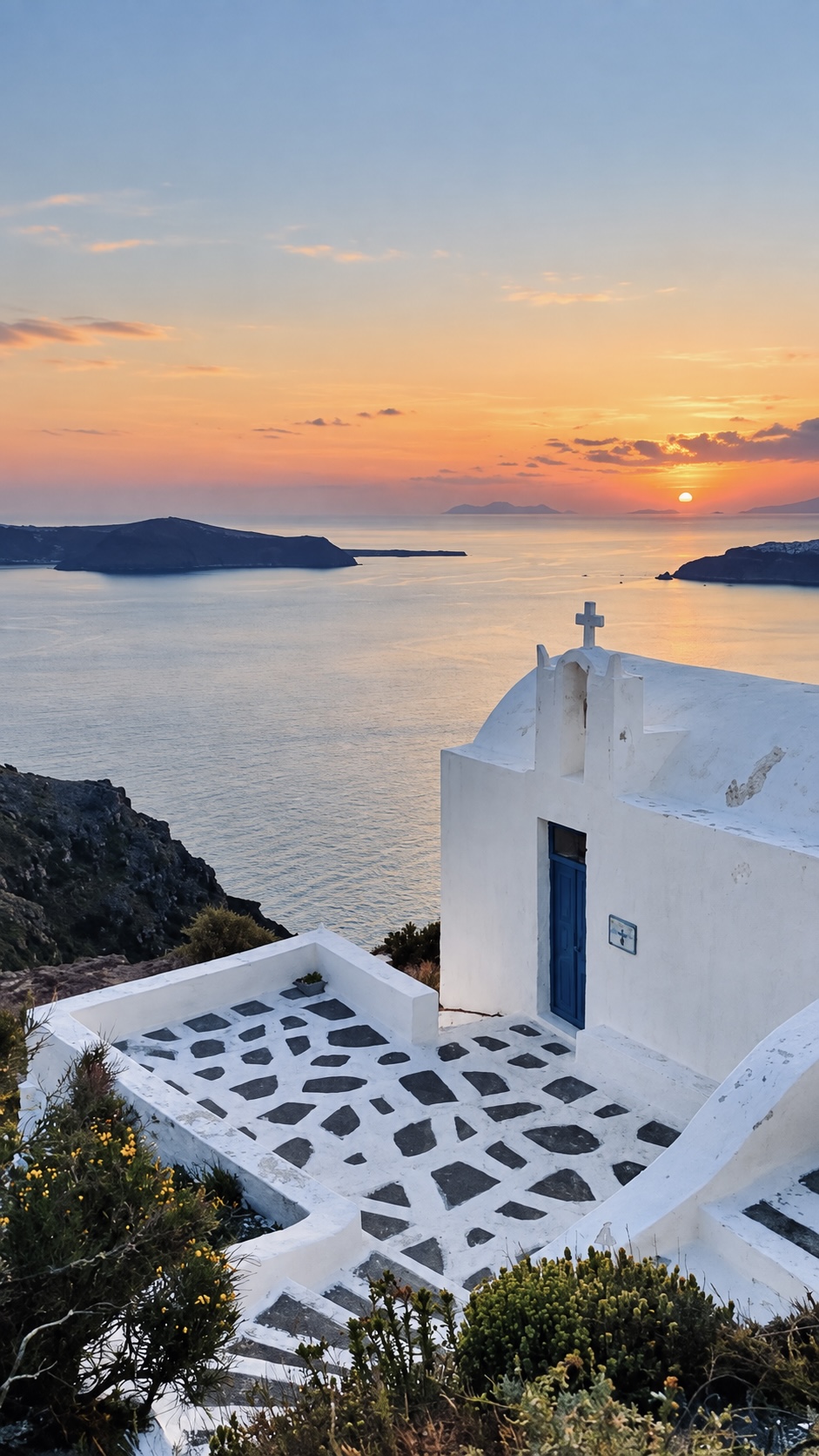
June is when Santorini settles into summer.
The days are at their longest, the light seems to last forever and swimming, sailing and long evenings outside become part of the natural rhythm of a holiday.
It is also a wonderful month to stay at the beach much later than you might normally plan. There is no particular reason to pack everything up at five in the afternoon when there are hours of daylight still ahead.
At beaches such as Vlychada, you can stay until evening and watch the sun disappear from the beach itself.
July — Heat, Sea and Long Evenings
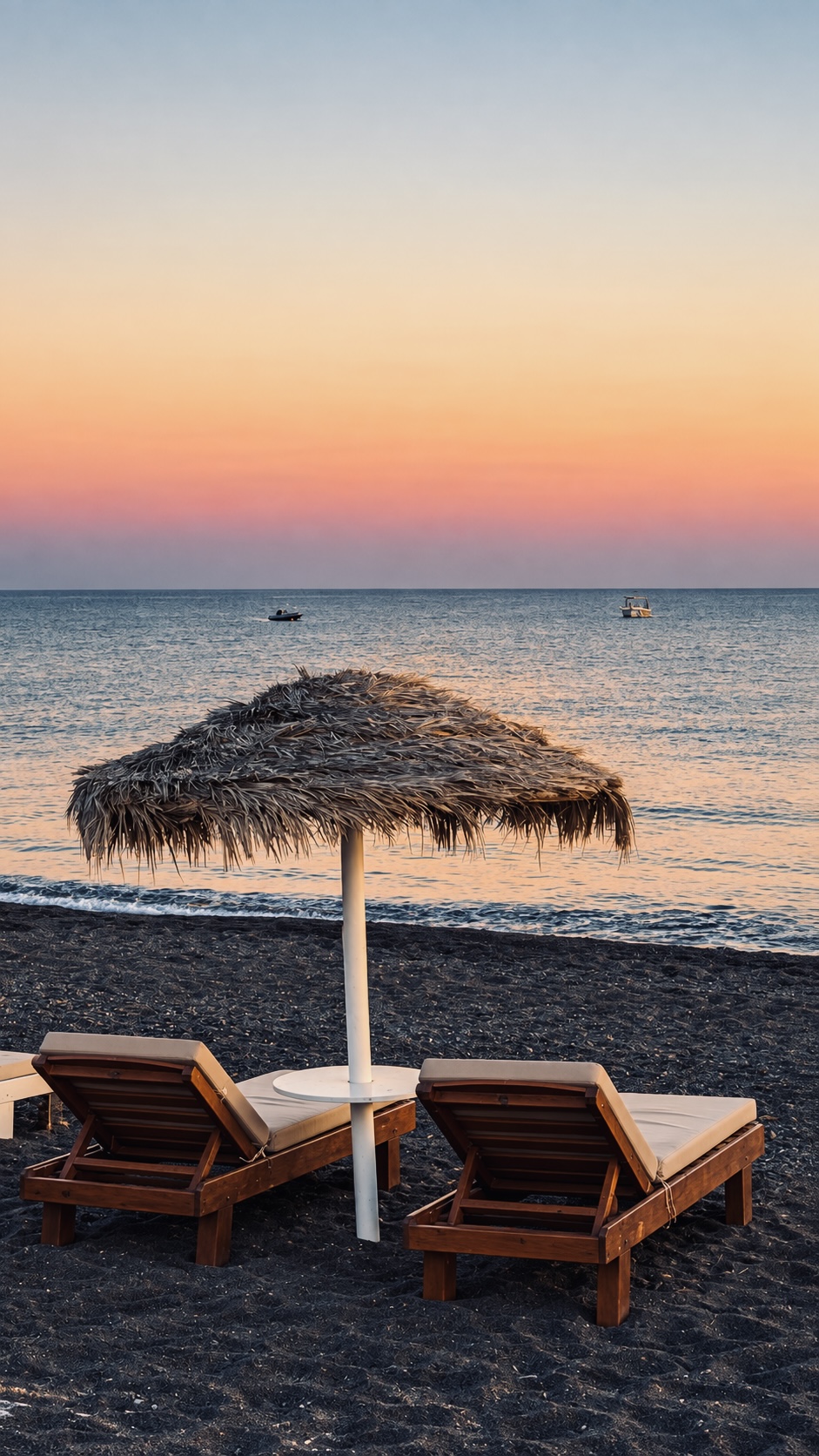
July brings some of the hottest days of the year, and life naturally begins to organise itself around them.
This is the time for swimming, sailing, beaches and evenings that begin late. Exploring is better done with some respect for the heat rather than as a test of endurance in the middle of the afternoon.
And again, there is no hurry to leave the sea. A long beach afternoon that quietly becomes evening is one of the simplest pleasures of a Santorini summer.
August — Summer at Its Peak
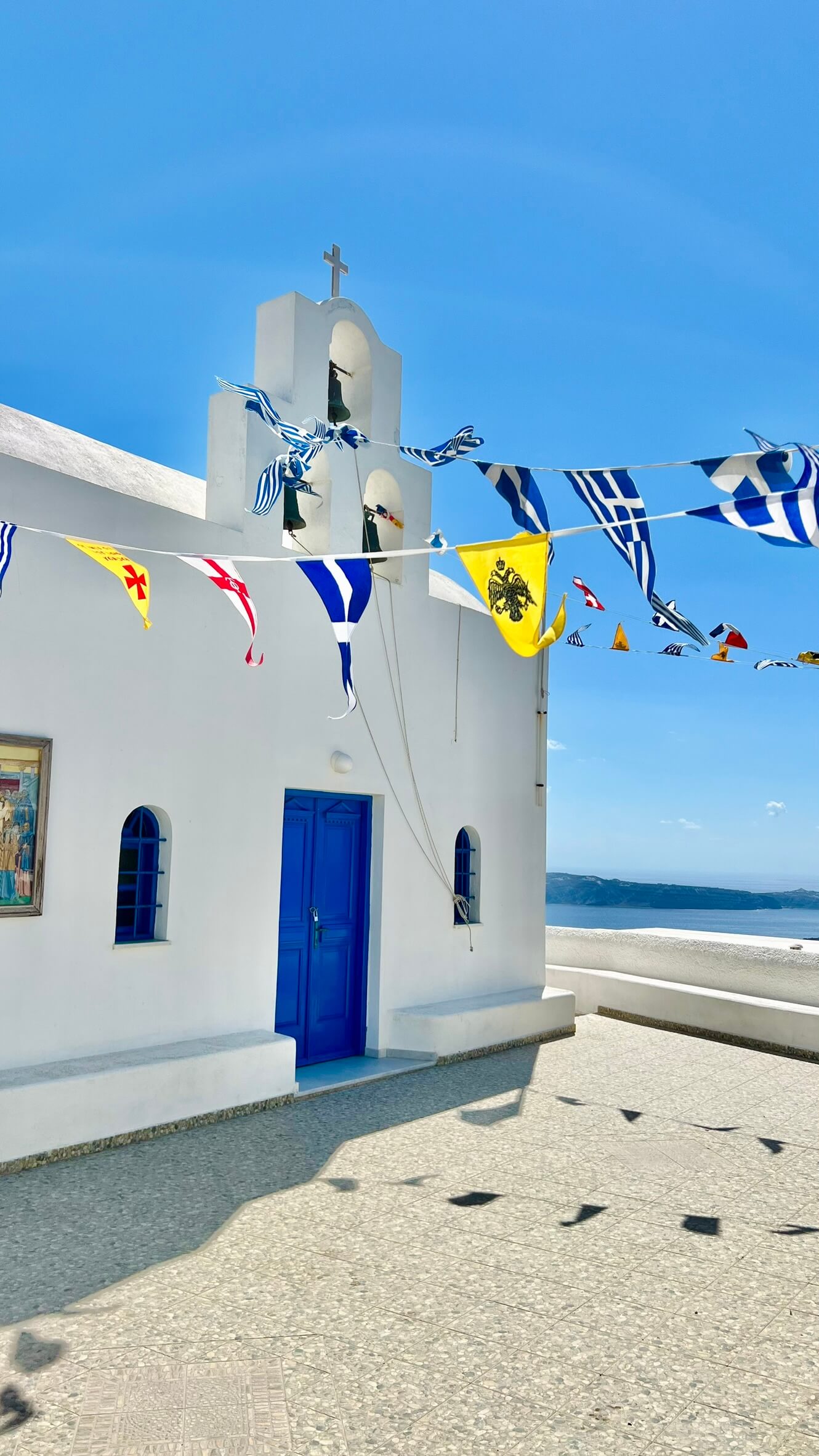
By August, summer has reached its peak.
The island is hot, lively and busy, the sea is warm, and Santorini is operating at full summer rhythm. This is also when prickly pears begin to ripen on the cactus plants that are such a familiar part of the island landscape.
August is often dismissed in travel advice because of the crowds, but that tells only part of the story. It is also a very social time on the island, with local feasts and panigyria, music, food and late nights.
It is summer at full volume.
And if that is the kind of Greek summer you came looking for, there is nothing wrong with choosing it.
September — Summer Is Still Here, but You Begin to Notice
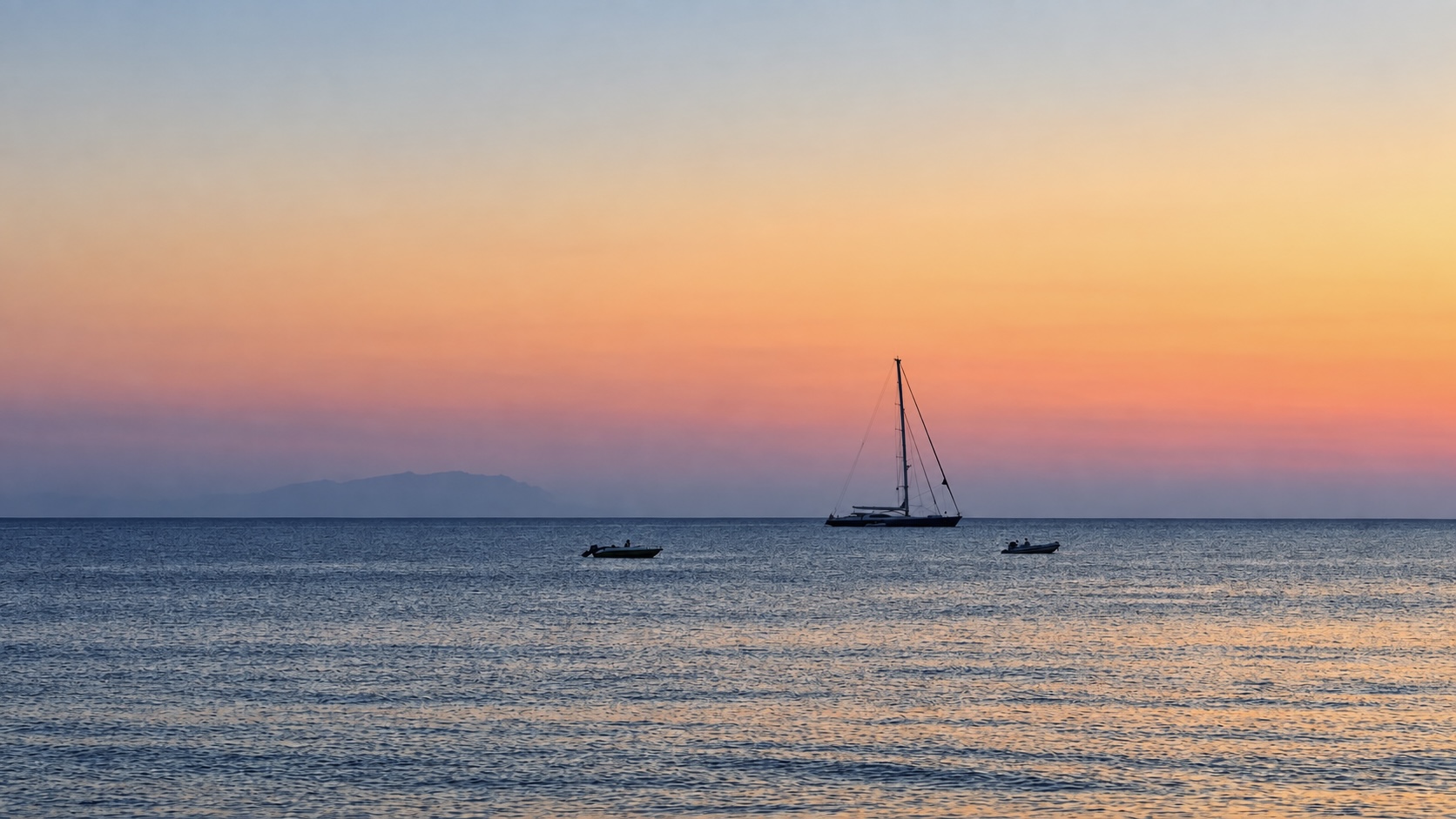
September is sometimes described simply as a quieter alternative to August.
I think it deserves more than that.
The sea has had the whole summer to warm, the days are still beautifully summery and prickly pears are still ripening. But something changes. Summer no longer feels endless.
Those of us who live here begin to develop an almost ridiculous determination not to miss a good swimming day. As the sea is still warm and the afternoons are beautiful, whatever else needs doing can probably wait.
September is also vendema — the grape harvest — and in Santorini this is a significant moment in the year. Visit a winery and you can sense it immediately: the distinctive smell of fresh grape must, the activity around the new harvest and grapes laid out in the sun to dry for Vinsanto, Santorini’s prized sweet wine.
A winery visit feels different at this time of year. You are not simply being told about Santorini’s wine tradition. You are there while it is happening.
October — A Softer Santorini
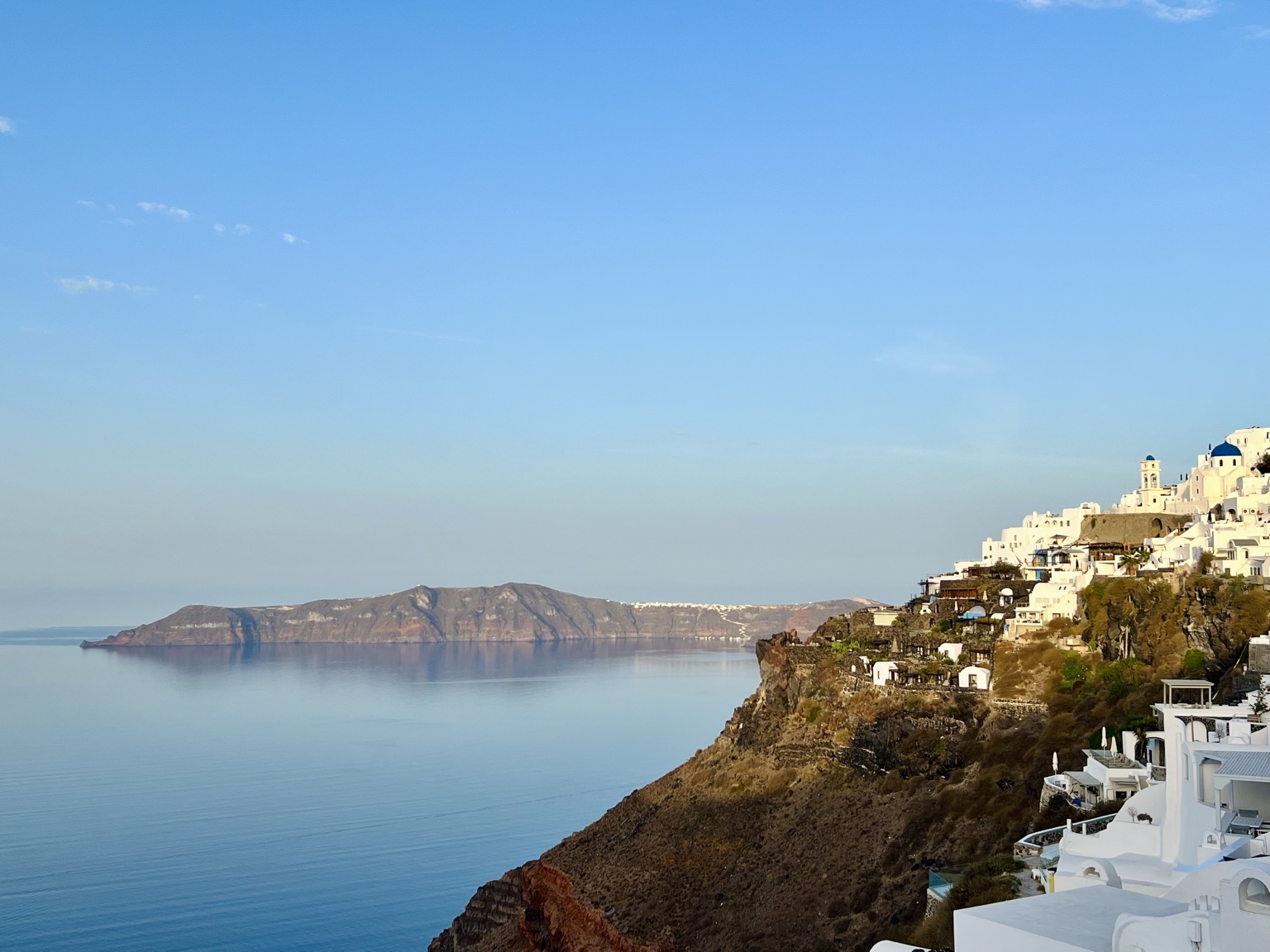
October is less predictable, and perhaps that is part of its character.
There can be beautifully calm, sunny days, but also clouds, wind and the occasional reminder that autumn has arrived. The light softens, the skies become more interesting and the intense heat of summer is gone.
This is a lovely time for walking, villages, archaeological sites, wineries, photography and long lunches. On a good day, sitting outside can still feel wonderfully summery, and the sea retains warmth from the months before.
But I would choose October because I wanted to explore Santorini, rather than because I required every day to behave like summer.
November — A Different Island
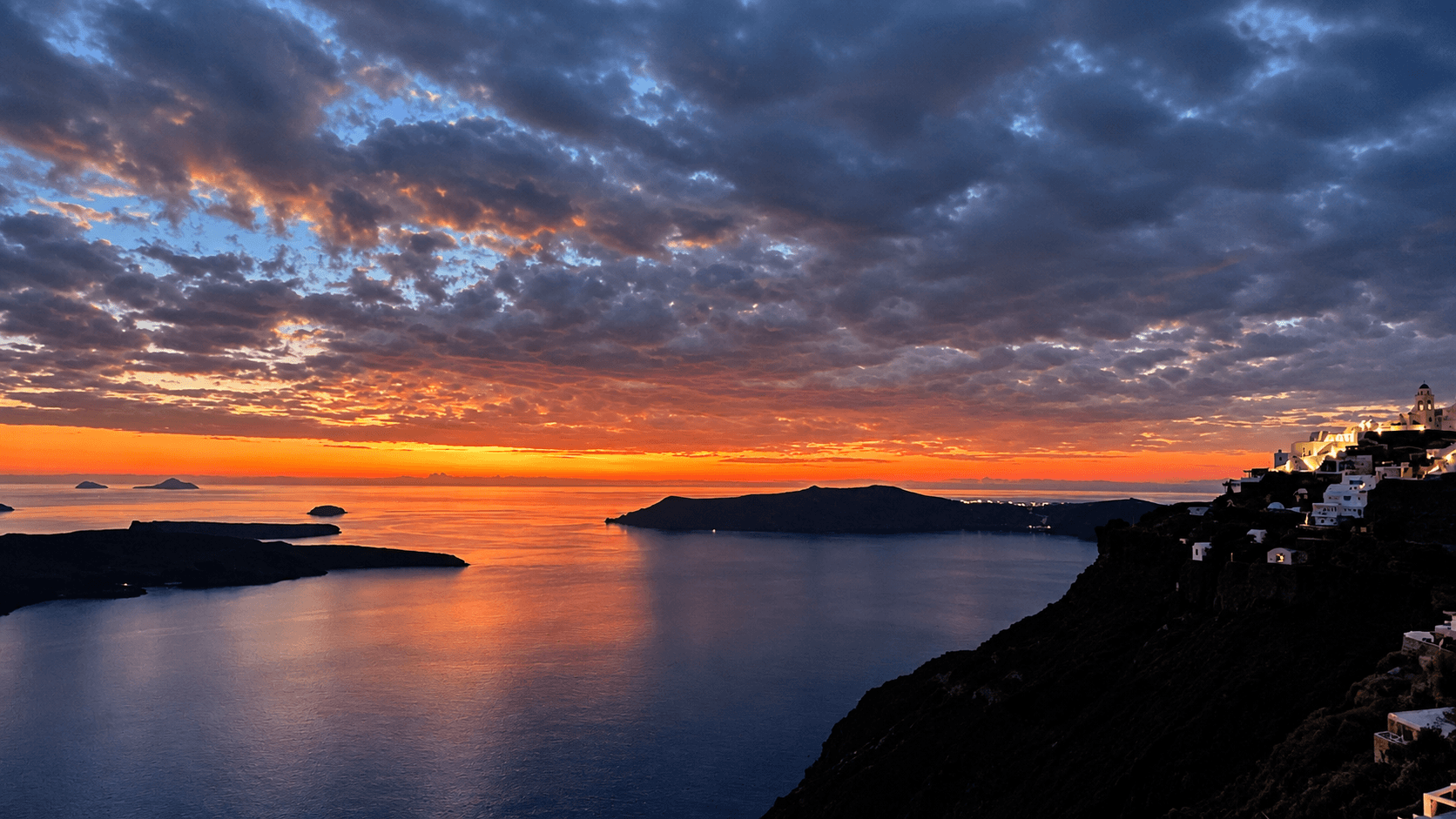
By November, Santorini has changed pace.
Visitors are fewer, seasonal businesses begin to close and the island gradually returns to the people who live here throughout the year.
The weather can change quickly, but that can produce some extraordinary light. Clouds move across the caldera, the sea changes colour and the perfectly blue skies of summer give way to something far more dramatic.
And then there are the crocuses.
They appear on the island at this time of year, small and easy to miss, but with an extraordinary connection to Santorini’s past. Crocus flowers and the women gathering them were painted on the walls of prehistoric Akrotiri thousands of years ago.
Seeing them growing here today makes the distance between that ancient island and the one we live on now feel, for a moment, remarkably small.
So, When Is the Best Time to Visit Santorini?
I am increasingly convinced that there is no honest answer that works for everyone.
The best time to visit Santorini depends on which Santorini you would like to meet.